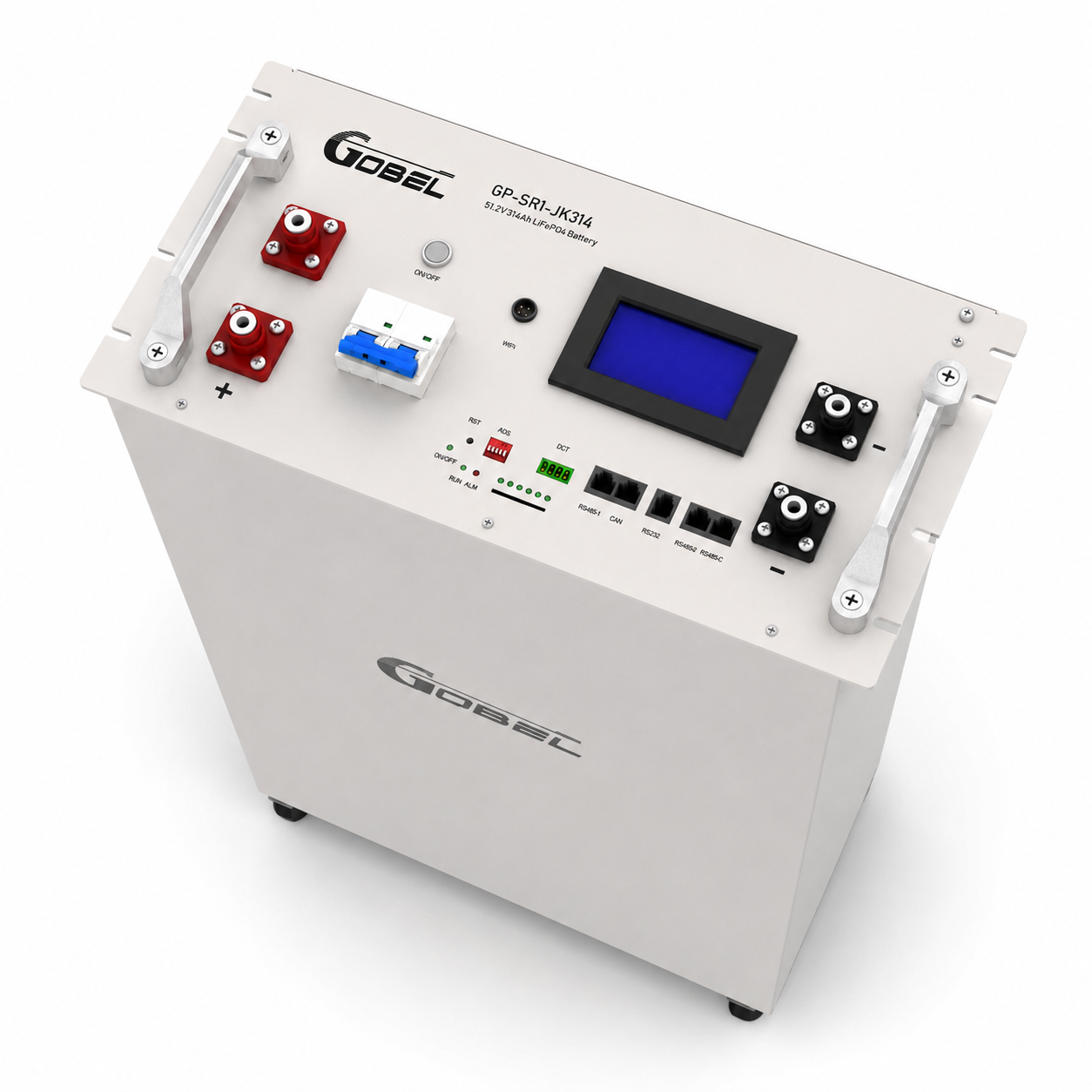

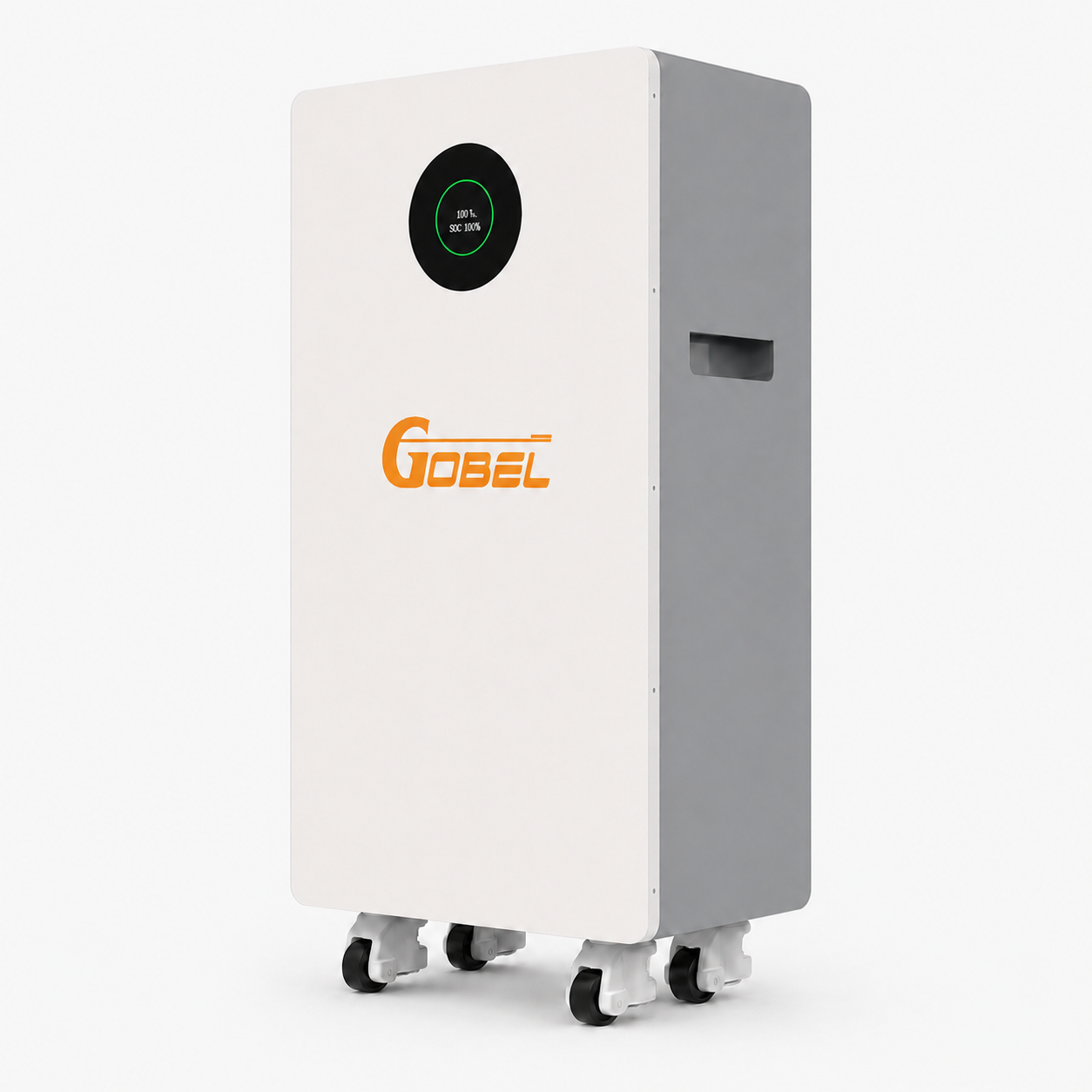
Server rack batteries and wall-mounted solar batteries solve distinct installation challenges. For B2B buyers, distributors, and installers, making the right choice depends on available space, service accessibility, future expansion plans, and target customer requirements.
Server Rack Batteries: Scalable & Repeatable Energy Storage
Server rack batteries are typically selected for energy storage projects that require clean wiring, repeatable installation, and seamless capacity expansion. Fitting standardized rack cabinets, these units are widely deployed in residential storage rooms, telecom-style backup systems, small commercial solar installations, and off-grid power sites.
A rack-mounted battery system is exceptionally easy to scale—additional battery modules can simply be added to the same cabinet as long as the inverter and BMS (Battery Management System) support parallel operation.
Wall-Mounted Solar Batteries: Space-Saving & Aesthetic Focus
Wall-mounted solar batteries are specifically engineered for compact residential installations. By mounting directly onto vertical walls, they save precious floor space and deliver a sleek, clean look in garages, utility rooms, and indoor energy storage areas.
For homeowners who prioritize visual appeal and space efficiency, a slim wall-mounted battery unit is often much easier to sell than a industrial-style rack cabinet.
Installer Comparison: Serviceability & Maintenance
When evaluating total cost of ownership, solar installers should carefully compare system serviceability:
Server Rack Systems: Offer technicians direct, straightforward access to individual modules, internal wiring, and busbar layouts for fast maintenance or swapping.
Wall-Mounted Systems: Highly efficient for single- or dual-battery home setups; however, future expansion requires additional wall surface area and complex cable routing.
Commercial Product Naming & Model Structure
Clear commercial product naming allows customers to identify form factors instantly:
Note: Internally, exact Model and SKU definitions govern specific enclosure designs, capacity platforms, cell configurations, BMS protocols, enclosure colors, and optional add-on features.
B2B Product Strategy for Distributors
For solar distributors and wholesalers, carrying both form factors expands market coverage. Rack-mounted batteries appeal directly to professional installers and commercial technical buyers. Wall-mounted batteries target residential sales channels where design aesthetics and floor footprint are critical decision factors.
The winning product strategy isn't choosing one format permanently—it's matching the precise form factor to the customer's specific installation scenario.